Contracts dropped amid privacy pressure
Student privacy campaigns are prompting universities across the United States to end or restrict their use of automated license-plate readers supplied by Flock Safety. At least ten campuses in seven states have dropped contracts since April, according to a Guardian report, while other institutions have paused planned deployments or limited access to captured records.
The campuses that ended contracts include Cornell, Penn State, Emory, Binghamton, Kent State, Elgin Community College and three University of Wisconsin branches. Stanford also cut ties with Flock after a petition backed by students, faculty, alumni and residents. The University at Buffalo indefinitely paused a planned 60-day pilot.
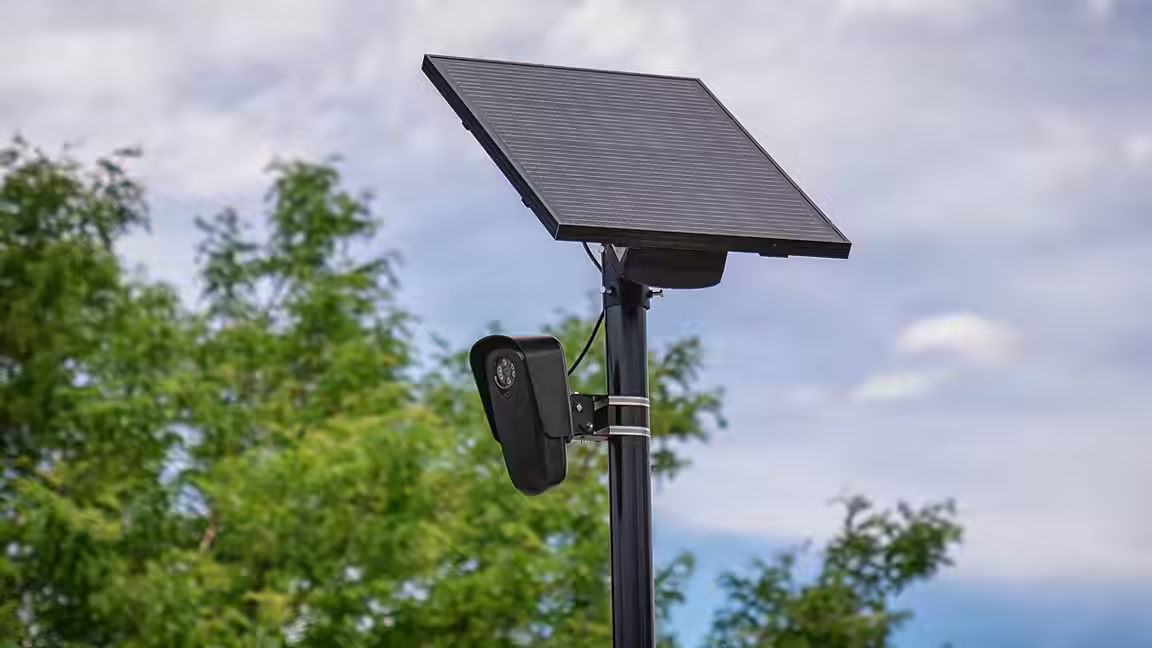
Automatic license-plate recognition cameras record a vehicle's plate and location at a particular time. Opponents say that pooling and searching those records across jurisdictions can turn a security tool into a broad tracking network, particularly when institutions lack clear rules about who may search the data and for what purpose.
Some universities have kept Flock systems but narrowed access. Appalachian State and the University of North Carolina campuses at Charlotte and Chapel Hill restricted national searches of their records. UNC Charlotte acted after reporting showed that Houston police searched its network 183,000 times between March and May 2026.
Flock disputes the mass-surveillance characterization and says its cameras provide police with credible investigative leads. The company cited cases in which law enforcement said the technology helped locate a university shooting suspect, identify a person who fired a gun near a Colorado high school, and investigate the theft of more than $100,000 in equipment from a UNC Charlotte construction site. It has also introduced revised auditing, retention and sharing policies.
Debate extends beyond one vendor
Removing Flock does not necessarily end automated plate tracking. Stanford has begun installing a replacement system from Genetec, while Binghamton announced a move to Axon. Student organizers at both institutions say their concern covers license-plate readers generally, not only one supplier. Stanford has said its replacement will retain data on internal servers for 30 days and operate within a single institution.
The campaigns therefore increasingly focus on governance: retention periods, external searches, disclosure and whether plate readers should be used at all. Students at the University of Florida and Florida State have used petitions, protests and online organizing to press those questions. High-school students in Colorado and Georgia have launched similar efforts around cameras near their campuses.
Universities face a genuine security-versus-privacy decision. The technology can assist investigations, but the same searchable location records can reveal movements on a scale far beyond a single incident. The current wave of cancellations shows that campus communities are demanding explicit limits before accepting that tradeoff.