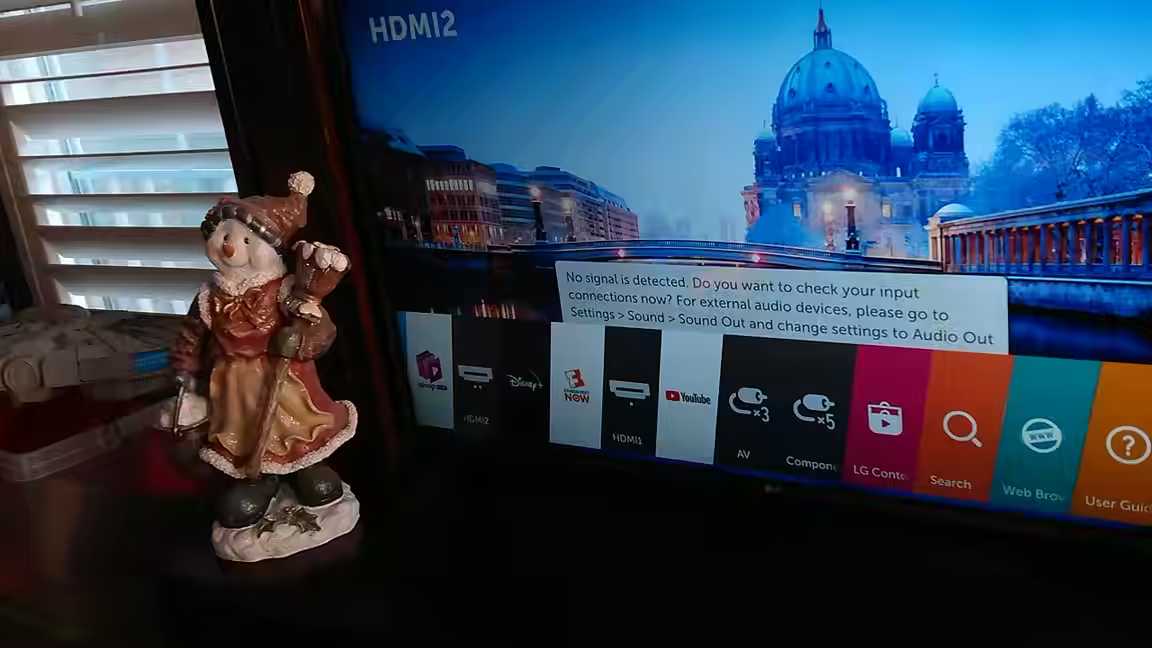
An open-source project called R2D2 for webOS has demonstrated a locally controlled home screen, remote browser and push-to-talk voice assistant on a webOS television. The reference setup divides the work between the TV and a separate Linux computer: the television supplies the display, applications and remote control, while the host runs Chromium and voice models.
The project is presented as a working reference deployment, not a consumer-ready conversion kit. Its maintainers say the complete path works on one TV and firmware combination, but other televisions, firmware versions, remotes and host systems have not been validated. The repository contains source code and offline tests rather than a universal rooting tool, firmware image or host installer.
That distinction matters because the TV-side components run with root privileges and change vendor system services. The project warns that installation is unsupported, could void a warranty and may leave the television unusable until it is rebooted or reset to factory settings. Users are instructed to preserve original files and maintain a recovery route that remains available if the television interface fails.
R2D2’s architecture keeps model inference on the Linux host. It does not make every interaction offline: requested websites, searches, streaming applications and optional weather data still contact their respective providers. A private capability key is required to enable the browser shortcut, and generated deployment output can contain addresses or credentials that should not be published.
The build process itself does not connect to a TV or install software. It generates an unsigned Home package, rendered host services, TV service source files and a manifest in a new output directory. Brand logos are omitted unless a user provides a private mapping to assets they are entitled to use.
Before enabling the session manager, the documented preflight checks examine the sandbox, display and audio access, content protection, DNS and cleanup behavior. They do not prove that video playback, microphone quality or different firmware will work. The maintainers recommend testing the Home package first as an ordinary application, then separately planning any changes to home and idle routes.
The repository also calls for practical device testing after deployment, including existing apps, browser playback, repeated voice commands, standby and resume behavior, and power cycling. Project code is MIT-licensed, while some browser, filtering and runtime components use the GPL-3.0-or-later licence.
R2D2 therefore demonstrates how a smart-TV interface can be shifted toward user-controlled local computing, but its current value is primarily as a documented technical prototype. Anyone attempting the reference design must still supply system administration, securely manage local secrets and accept the recovery risks of modifying privileged TV services.