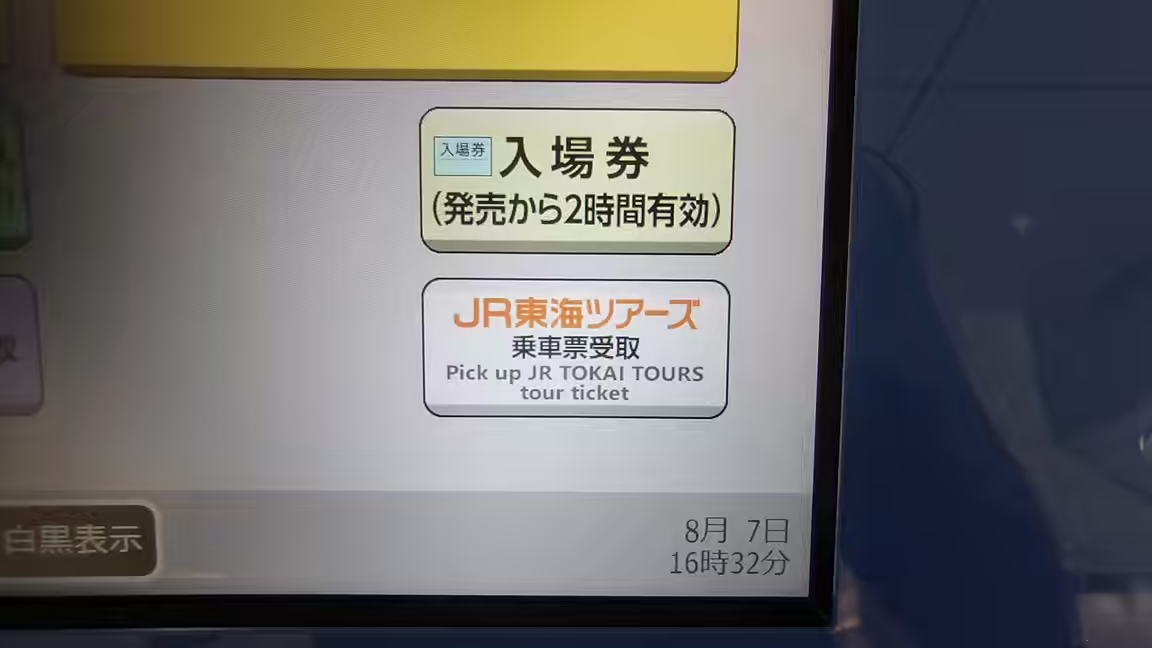
Japan's trains are renowned for operational precision, but buying a ticket online can require passengers to understand the boundaries between railway companies, fare layers and collection methods. A new developer essay uses that contrast to argue that the organization of the rail system is visible in—and sometimes burdens—the software presented to travelers.
Software engineer Vinicius Brasil describes encountering separate charges for a basic fare and a limited-express service, even when an online flow appeared to be selling a single journey. Guidance told him that the express reservation had to be used alongside a base-fare ticket or an IC card such as Suica. The distinction may reflect the structure of the underlying fare system, but it forces a visitor to learn terminology before knowing whether a purchase is complete.
The JR passenger network is also divided among six regional companies: JR Hokkaido, JR East, JR West, JR Central, JR Shikoku and JR Kyushu. Their territories and services can overlap, while booking sites and rules differ. A person trying to travel from one place to another may therefore need to identify the operating company before selecting the correct platform, rather than entering an origin and destination into one unified service.
Brasil's most costly example involved ticket collection. After confirming a reservation, the booking system told him he would need to present the physical payment card at the station. He had used a virtual card, so he canceled and rebooked with a physical one, paying a cancellation charge of 560 yen per passenger. The requirement was disclosed, but at a point that made an incompatible payment choice expensive to correct.
The essay does not reduce these interfaces to poor visual design. It notes that dense information, familiar layouts and resistance to unnecessary change may match local preferences for certainty and detail. Japanese sites including large portals and retail platforms can look dated to an overseas visitor while still serving users accustomed to their conventions. The more consequential issue is whether a passenger must reason about internal institutions to complete an ordinary task.
Brasil frames that issue through Conway's Law, the observation that systems tend to mirror the communication structures of the organizations that build them. It is usually applied to software architecture: teams and services acquire boundaries that resemble one another. In rail booking, the same effect appears at the interface. Separate operators, products and fare responsibilities become separate user decisions.
This is one traveler's analysis rather than a comprehensive test of every Japanese rail service, and it does not negate the network's operational strengths. It does identify a useful product-design question: should software make institutional divisions visible when they matter, or absorb them and let the customer focus on the journey? For visitors unfamiliar with the rail companies, the current balance can turn a technically successful booking into a research task.