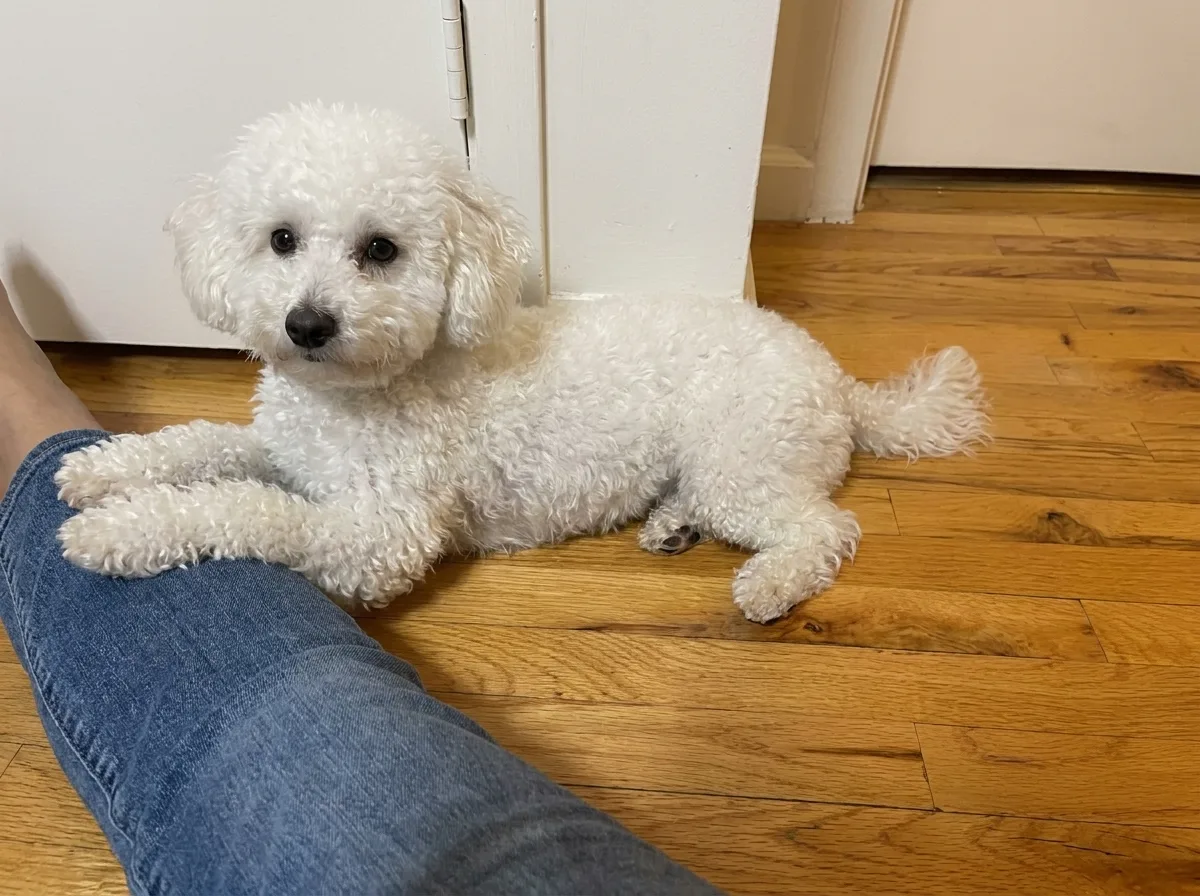
A California family is fighting against an order that could result in the euthanasia of their dog ARZO, arguing that authorities seized the wrong animal and then refused to acknowledge mistakes made during the investigation. According to the family’s account, ARZO was taken into custody after police responded to a report involving a dog accused of aggressive behavior in the neighborhood. The owners insist ARZO was not the animal originally described by witnesses and say basic differences in appearance, location and timing should have prevented him from becoming the focus of the case. What began as a disputed identification has now escalated into a battle over the dog’s life, with his owners claiming that errors made during the first hours of the investigation were subsequently repeated through official reports until ARZO was effectively treated as dangerous before the family had a meaningful opportunity to challenge the allegations.
The dispute centers on what happened when officers first encountered ARZO. His owners say the dog was frightened and confused as several strangers approached him, and they allege that authorities interpreted defensive behavior during the seizure as proof that he was inherently aggressive. The family further claims ARZO was handled roughly after being restrained and that some descriptions later included in reports exaggerated his behavior. Authorities in the account would dispute that characterization, maintaining that officers acted out of concern for public safety and followed the information available to them at the time. No independent finding would yet establish that police deliberately lied or intentionally mistreated the animal, making the growing conflict largely a question of competing accounts and evidence.
The family says the most serious problem is the alleged mistaken identity. According to their version of events, initial witness descriptions referred to a dog with physical characteristics that did not completely match ARZO, while surveillance footage from around the neighborhood appeared to place him somewhere else during at least part of the timeline. The owners say they submitted photographs, veterinary records and statements from neighbors familiar with ARZO in an attempt to demonstrate that authorities had confused him with another animal. They also claim that several witnesses who knew the dog described him as social and manageable, although those character statements would not by themselves establish what occurred during the original incident.
The case became significantly more serious when ARZO was classified as dangerous and authorities began pursuing euthanasia. California law provides a formal process for determining whether a dog is potentially dangerous or vicious. When an animal-control or law-enforcement officer finds probable cause, a hearing can be requested, and the owner must be notified and allowed to present evidence explaining why the dog should not receive that classification. State law also provides an appeal process, and a dog found vicious may be destroyed when, after the required proceedings, releasing it is determined to create a significant threat to public health, safety and welfare.
Those protections have become central to the ARZO campaign. His family argues that the case should not be reduced to a single description written immediately after a chaotic encounter. They want authorities to review surveillance footage, compare the original description of the suspected dog with ARZO, reconsider witness statements and examine how the animal behaved before and after being taken into custody. Their attorneys would also argue that euthanasia is irreversible, meaning uncertainty over identity or conflicting evidence should be resolved before an order is carried out.
Supporters have begun circulating photographs of ARZO online alongside the phrase “SAVE ARZO.” In the campaign, short videos showing the dog calmly interacting with family members and walking on a leash have spread across social media, while users accuse authorities of treating the animal as guilty before the factual dispute has been resolved. Some posts go further and claim police intentionally fabricated the entire case, but the family’s legal representatives would urge supporters to distinguish between allegations they believe can be supported by evidence and accusations for which no independent determination has yet been made.
One of the most emotional parts of the dispute concerns ARZO’s condition while being held. His owners allege that when they eventually saw him after the seizure, he appeared unusually fearful and had visible marks they say were not present beforehand. They believe those signs demonstrate mistreatment while he was being restrained or housed. Authorities in the scenario would respond that any marks could have resulted from the circumstances of the original restraint, normal kennel activity or another explanation, and would deny intentionally harming the dog. Veterinary records would therefore become particularly important in determining whether the family’s claims are supported by objective evidence.
The controversy highlights how difficult dangerous-dog cases can become when public safety and animal welfare collide. A serious dog attack can cause devastating injuries, and authorities have an obligation to protect people from animals shown to present a significant risk. At the same time, euthanasia is permanent, which is why California’s process includes notice, hearings and the opportunity to appeal. A recent real California case involving a dog named Bruce demonstrated how extensive these disputes can become: Ventura County authorities cited multiple documented incidents before a vicious-dog determination and euthanasia order survived months of litigation.