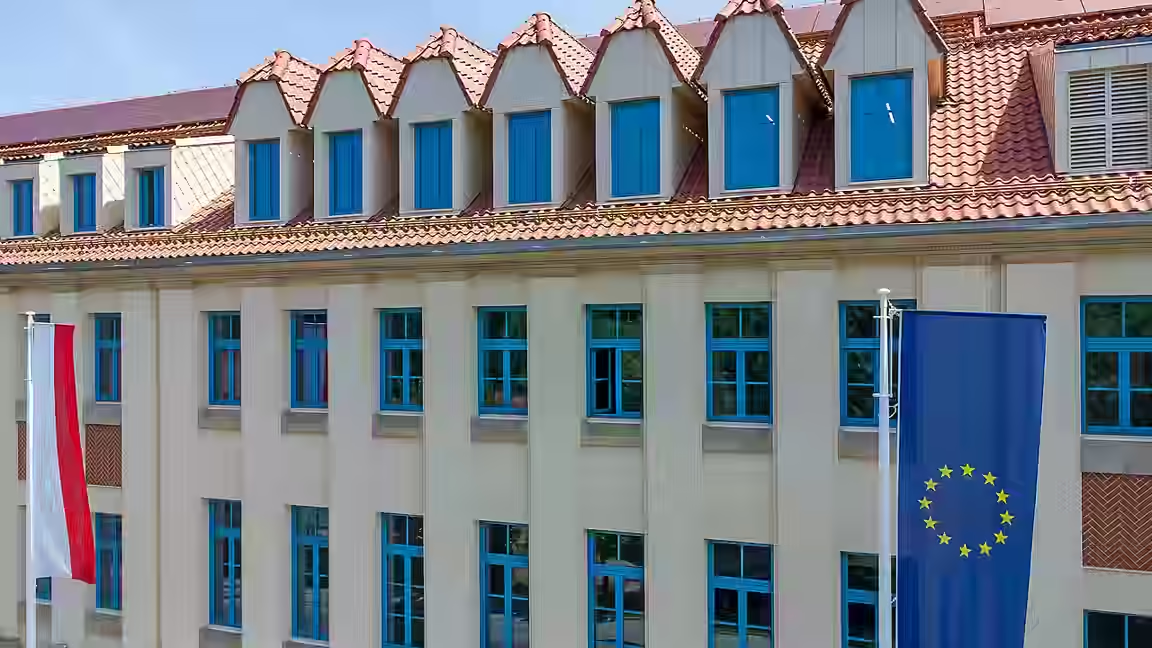
The European Union and Indonesia signed trade and investment agreements on Saturday after roughly a decade of negotiations, setting out a plan to remove tariffs from almost all commerce between the two markets. The European Commission said 98.5% of tariffs on EU goods would be lifted if the package completes the remaining approval procedures.
The agreements are not yet in force. The European Parliament must give its consent, and Indonesia must complete its own ratification process. If those steps proceed as expected, the measures could begin applying early next year. That timetable makes the signing a major political milestone rather than the immediate removal of customs charges.
The Commission projects that EU exports to Indonesia could rise by nearly 40% over 15 years under the deal. It also estimates that European exporters would save more than €600 million annually in duties. Machinery and motor vehicles are expected to be among the main beneficiaries, while the investment provisions are intended to make it easier to finance projects in electric vehicles, electronics and pharmaceuticals.
The two sides already conduct substantial trade, though Indonesia sells more to the EU than it buys from the bloc. Their goods trade totaled €28.9 billion in 2025, according to the figures released with the agreement. EU exports accounted for €10.2 billion and imports from Indonesia for €18.7 billion. The tariff reductions are intended to expand that relationship and give companies on both sides more predictable access.
European Commission President Ursula von der Leyen described the signing as a major step connecting the EU's market of about 450 million people with Southeast Asia's largest economy. She said the removal of duties across nearly all trade would create opportunities for companies, farmers, workers and small businesses in both jurisdictions.
The significance also extends beyond individual tariff lines. Indonesia is the world's fourth-most-populous country and a growing manufacturing center. The EU has sought deeper commercial relationships in Asia, while Indonesia is trying to attract investment into higher-value industries. The agreement's focus on electric vehicles and electronics aligns with those industrial ambitions, though the actual scale of new investment will depend on implementation and business decisions after ratification.
For companies, the next stage is procedural. Existing duties and rules continue to apply until the legal approvals are completed and the agreements take effect. Export forecasts and estimated savings are Commission projections, not guaranteed outcomes. Still, the signature resolves the negotiating phase and gives both sides a defined route toward substantially freer trade after ten years of talks.