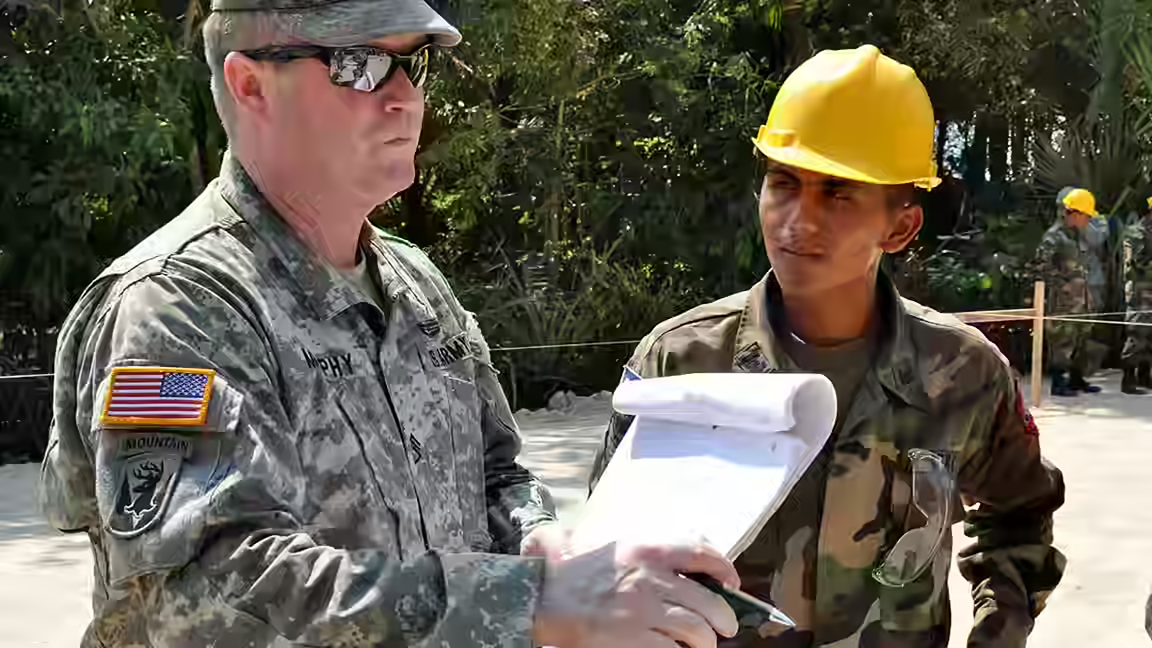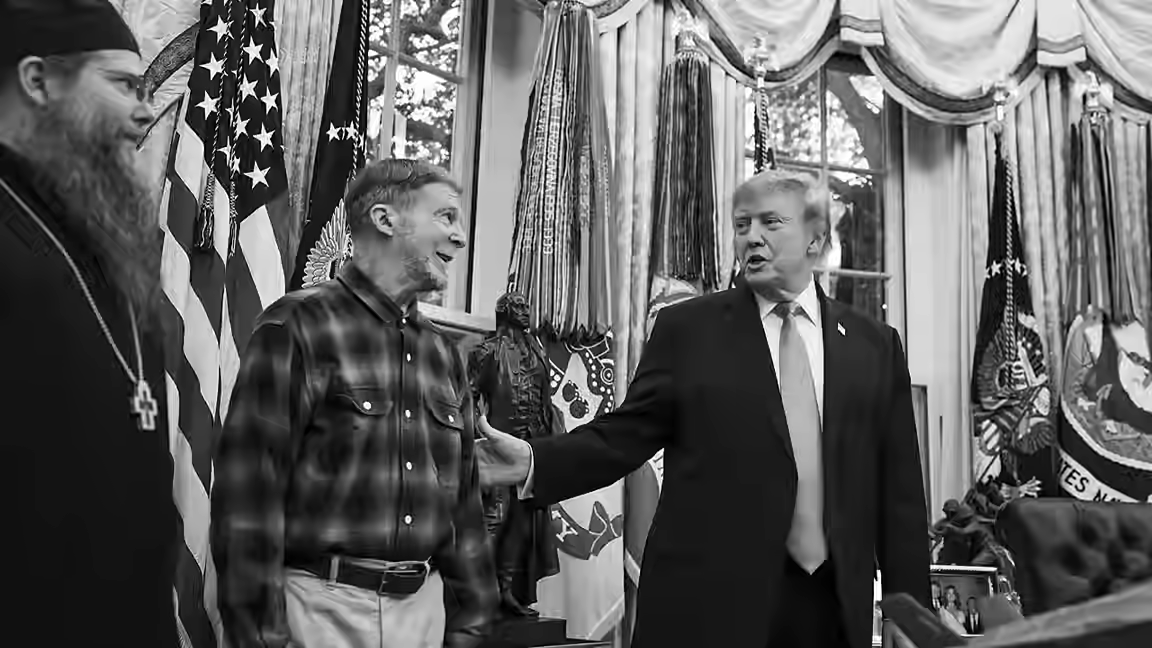
Russia has released American citizen Stephen Hubbard, a 74-year-old former teacher who had been imprisoned after Russian authorities accused him of fighting for Ukraine. The release took place as US envoy Steve Witkoff met Russian President Vladimir Putin in St Petersburg on October 21, and US President Donald Trump said no prisoner exchange was required.
Putin said Hubbard had been taken to St Petersburg's Pulkovo Airport. Trump later said Hubbard was traveling home and that members of his family were with him. CBS News, cited by the BBC, reported that Hubbard had been in poor health and was expected to receive treatment in Texas.
Hubbard was captured in 2022, shortly after Russia launched its full-scale invasion of Ukraine. Russian prosecutors accused him of joining a Ukrainian defense unit and receiving training and weapons. In 2024, a Russian court sentenced him to almost seven years in a penal colony. His sister had disputed the allegation, telling Reuters previously that military service was implausible given his age and lack of interest in the military.
The US State Department had classified Hubbard as wrongfully detained. Following his release, the department called the decision a welcome step and said it hoped other Americans held unjustly would also be freed. It added that no Americans were then officially designated as wrongfully detained in Russia. That administrative statement does not mean no US citizens are in Russian custody, but it marks the end of Hubbard's particular designation.
Trump said he had personally raised Hubbard's case with Putin the previous week while discussing the war in Ukraine. A Kremlin spokesman said American officials had sought the release for some time and described Putin's decision as humanitarian. Hubbard's son, Joseph Coleman, said the family had prayed for years for his return and framed the release as an act of mercy rather than a political victory.
Witkoff praised Putin during the meeting, language that drew criticism from members of Trump's Republican Party. Representative Don Bacon called the remarks embarrassing, while Senator John Cornyn rejected the characterization of the Russian leader. Vice-President JD Vance defended the envoy's focus on securing Hubbard's freedom, saying the result mattered more than Witkoff's phrasing.
The release comes during broader US-Russia contacts over the war and economic relations. Trump linked the outcome to his decision to suspend sanctions that had been scheduled to take effect, arguing that imposing them would have disrupted the negotiations. The BBC report also said Witkoff thanked Putin over an agreement for the United States to import Russian diesel. Those wider talks remain politically contentious because they intersect with Washington's approach to Ukraine.
Hubbard's return differs from several recent cases in which detained Americans left Russia through exchanges. Officials on both sides instead presented this release as a direct concession without a swap. The immediate verified outcome is narrower than the diplomatic claims surrounding it: Hubbard is free and returning to the United States after roughly four years in Russian custody.